August 18, 2026
National 3PLs sell a map. Regional operators sell a building you can walk. How to choose when you need Midwest density — and when a national network is actually the cheaper way to miss a dock appointment.
A national 3PL will show you 80 buildings and a control tower. A regional operator will show you seven buildings and the people who will pick your order on Tuesday. Both can be the right buy. They fail for different reasons.
This is not a brand argument. It is a network-design argument for shippers who need the Midwest to work and do not want a coastal HQ interpreting a Cincinnati appointment.
National networks win when you need the same SOP in four time zones, a single invoice, and overflow in markets you will never tour. If you are launching D2C into every state next quarter and you do not have a transportation team, a national footprint can be cheaper than standing up five regional RFPs.
They also win on software demos. Shared WMS, shared portals, shared "visibility." The question is whether that visibility includes a human who can walk to dock 12 when the ASN is wrong.
In a multi-client campus, your program is one of many. Peak labor is allocated by whoever yelled first or whoever has the bigger contract. Your retailer routing guide is "supported" until it conflicts with the building's standard wave.
Accountability gets abstract. The person on the QBR is not the person who released the trailer. When something breaks in Northern Kentucky, the escalation path may run through a city that does not know I-75 from I-71.
That is survivable for slow CPG. It is not survivable for automotive JIT or AOG.
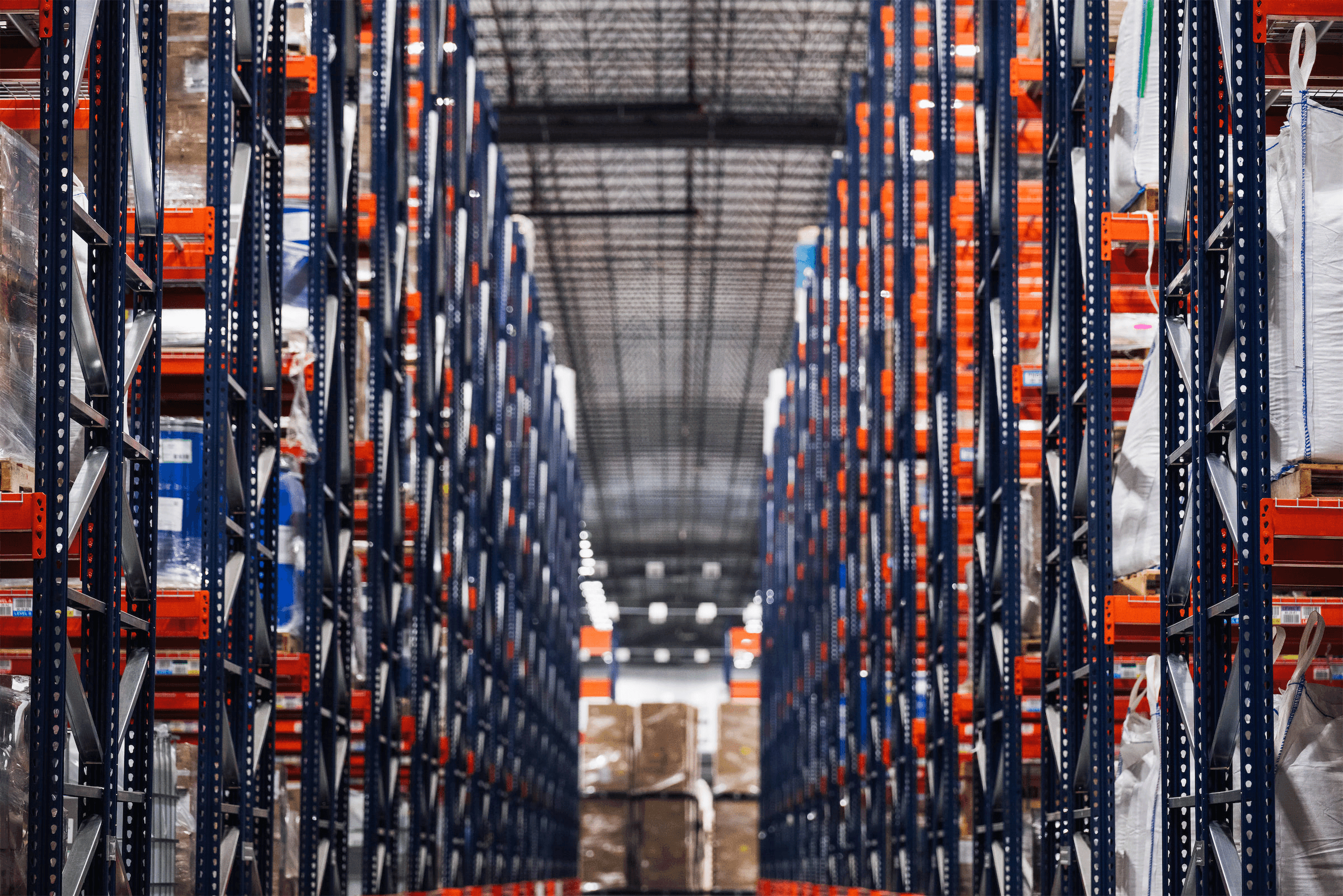
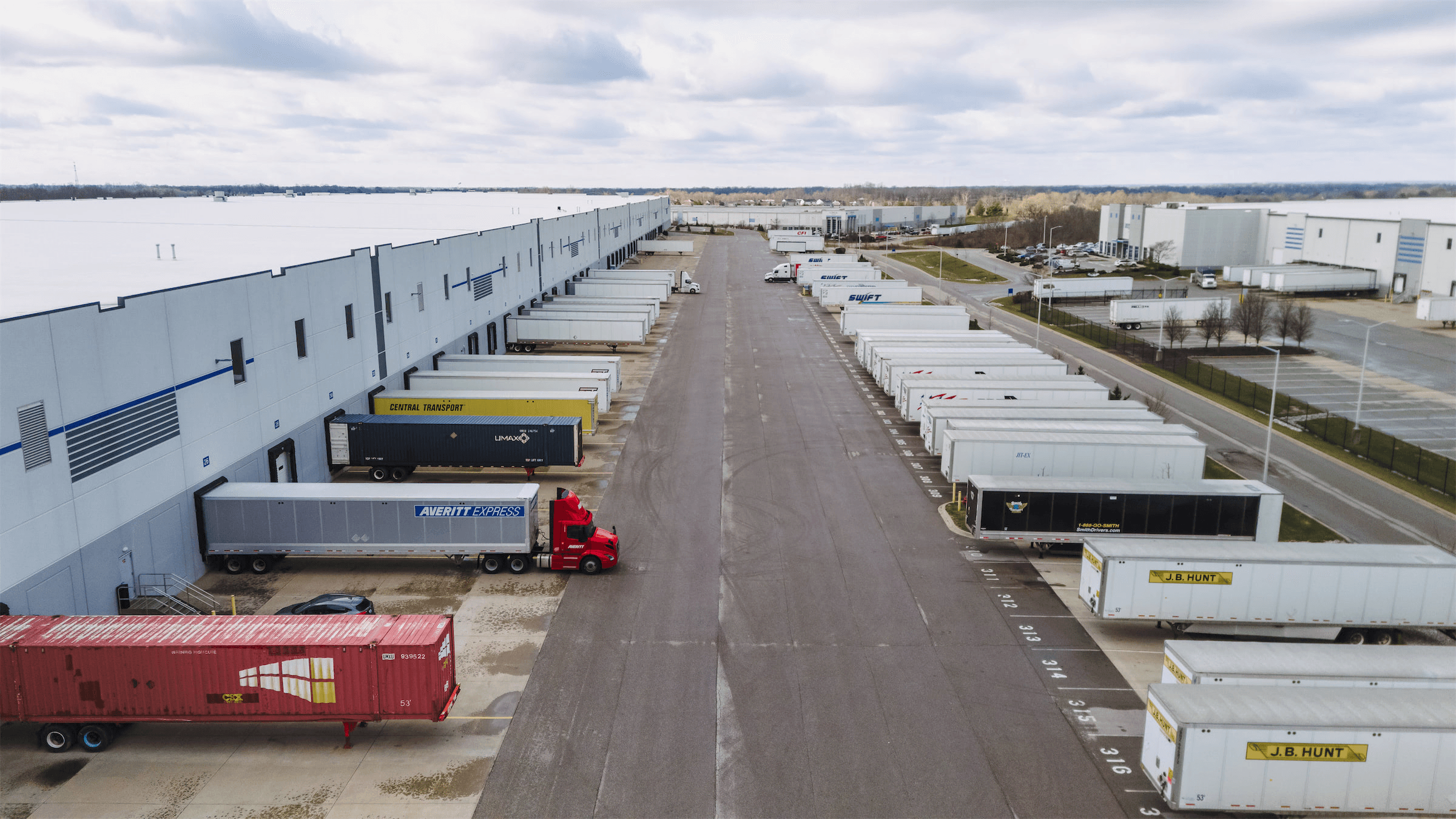
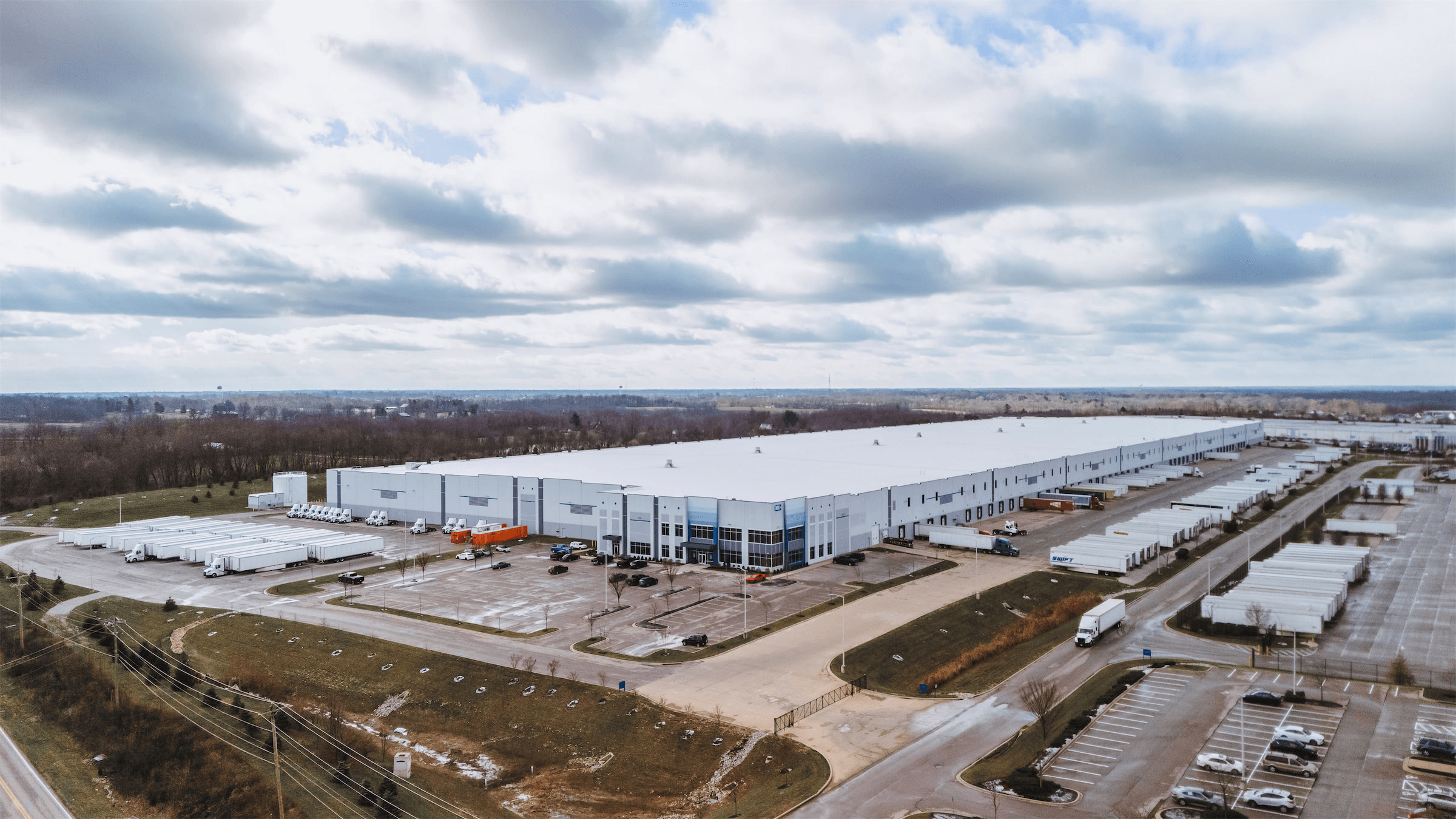
A regional operator in Greater Cincinnati is selling density on one corridor: public and contract warehousing, rail and intermodal, and a labor bench that has been in the same buildings for years. You can tour Cincinnati, Florence, and Hebron in a day. You can meet the supervisors who will run your account.
The tradeoff is honest: we do not have a building in Phoenix. If you need Phoenix, you need someone who does — or you keep a national partner there and a regional partner here. Hybrid networks are not a failure of strategy. They are how a lot of well-run shippers actually operate.
Use national for long-tail markets and a regional 3PL for the node that pays the rent: Midwest wholesale, plant support, import destuff, rail breakbulk. Put the hard work — FDA food, chemicals, paper rolls — with the operator who will still be in the building when the national account team has rotated.
If your Midwest node is the reason customers stay, do not bury it inside a map. Put it with a team that treats Cincinnati as the center of the work, not a pin.
Arrange a visit
Tour our Greater Cincinnati and Northern Kentucky facilities. Meet the team. See the operation.
At Commonwealth, we're committed to providing tailored logistics solutions that meet your unique business needs. Whether you have a question about our services, want to request a quote, or are ready to get started, our team is here to help.
A first conversation is with the people who run the operation — not a rotating sales bench.
Brent Collins
President, CEO
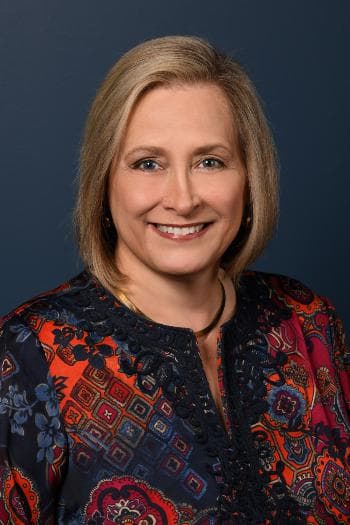
Karen Hamm
Executive Vice President
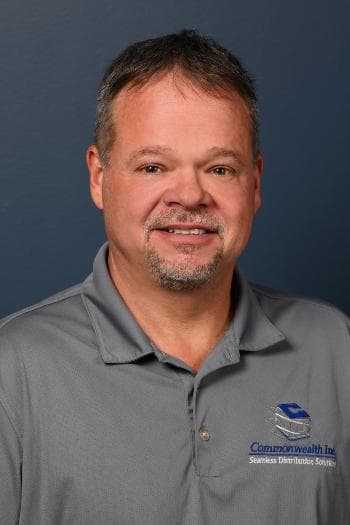
Andy Deardorff
Operations Vice President
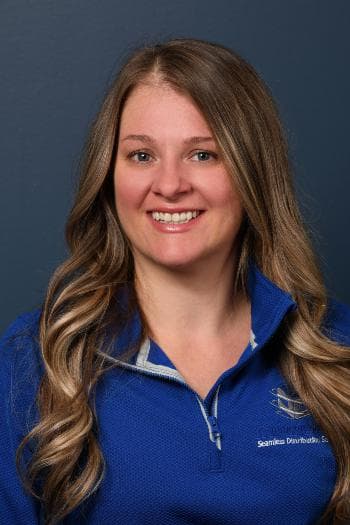
Kalen Deardorff
Customer Service Manager