July 7, 2026
One railcar can carry 3-4 truckloads of freight - but only a handful of Cincinnati-area 3PLs can actually put that math to work. Commonwealth's Florence, KY facility is directly served by Norfolk Southern with six boxcar positions, letting shippers of paper, lumber, automotive parts, and bulk commodities move inbound freight by rail and distribute it by truck from the same building. See how rail-served warehousing and transloading lower long-haul freight costs.
One railcar can carry 3-4 truckloads of freight - but only a handful of Cincinnati-area 3PLs can actually put that math to work. Commonwealth's Florence, KY facility is directly served by Norfolk Southern with six boxcar positions, letting shippers of paper, lumber, automotive parts, and bulk commodities move inbound freight by rail and distribute it by truck from the same building. See how rail-served warehousing and transloading lower long-haul freight costs.
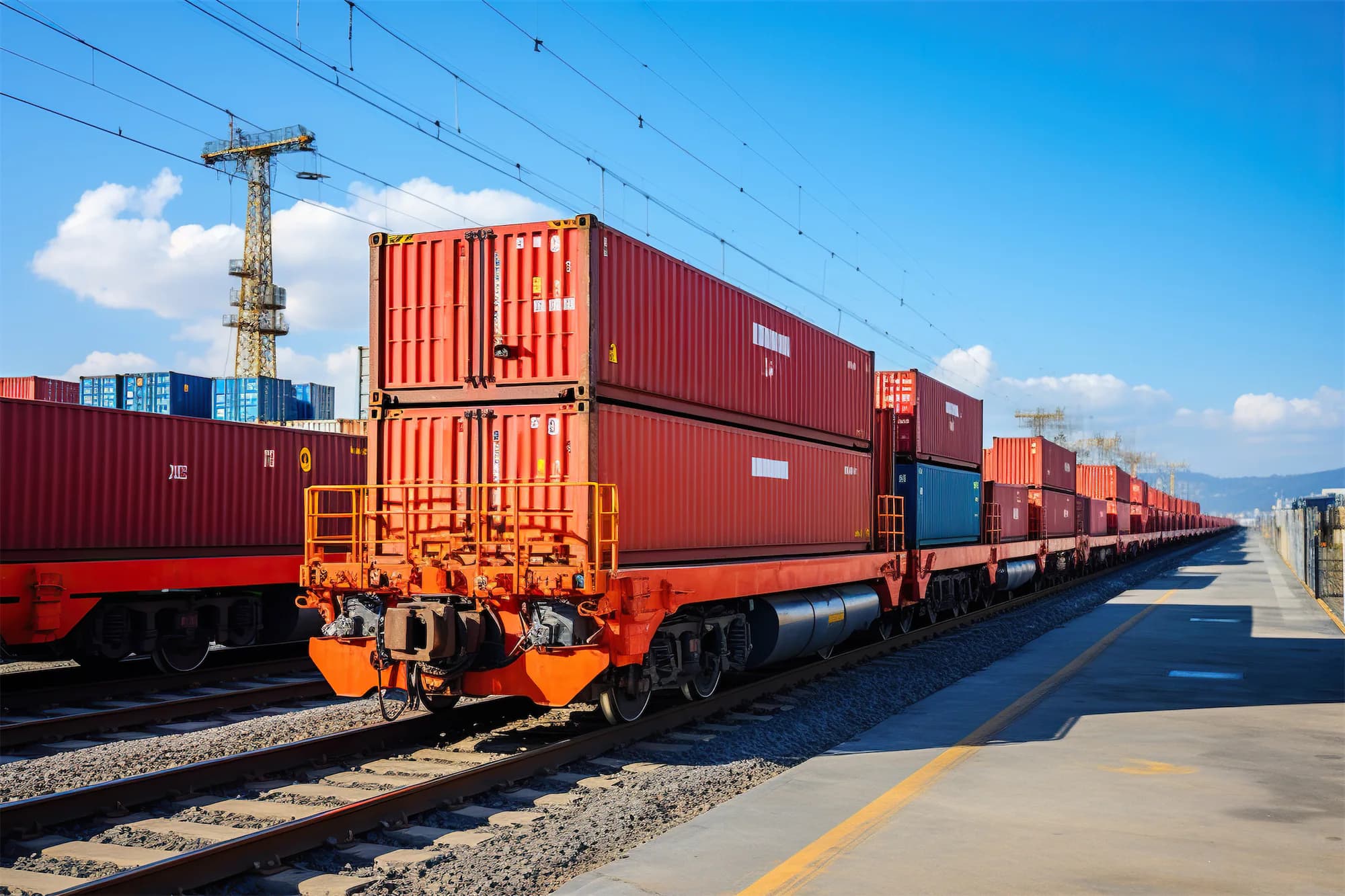
One railcar is built to a 286,000-lb gross weight standard, while a standard dry van truck tops out around 45,000 lbs of payload. In practice, 3 to 4 truckloads of freight can be transported in a single railcar - on a fuel-per-ton basis no over-the-road carrier can match.
That ratio is the whole reason rail-served warehousing exists. When your inbound freight can arrive by rail and get distributed by truck from the same building, you stop paying for the most expensive leg of the journey on every pallet you bring in. Rail line-haul and truckload rates both fluctuate widely, so no single percentage holds across lanes - but the underlying math doesn't move: more freight per move, fewer moves, and real savings on the line-haul portion of your inbound freight bill.
Most Cincinnati-area shippers never get to run that math, because only a handful of 3PLs in the region actually have a rail siding on site. This is what changes when they do.
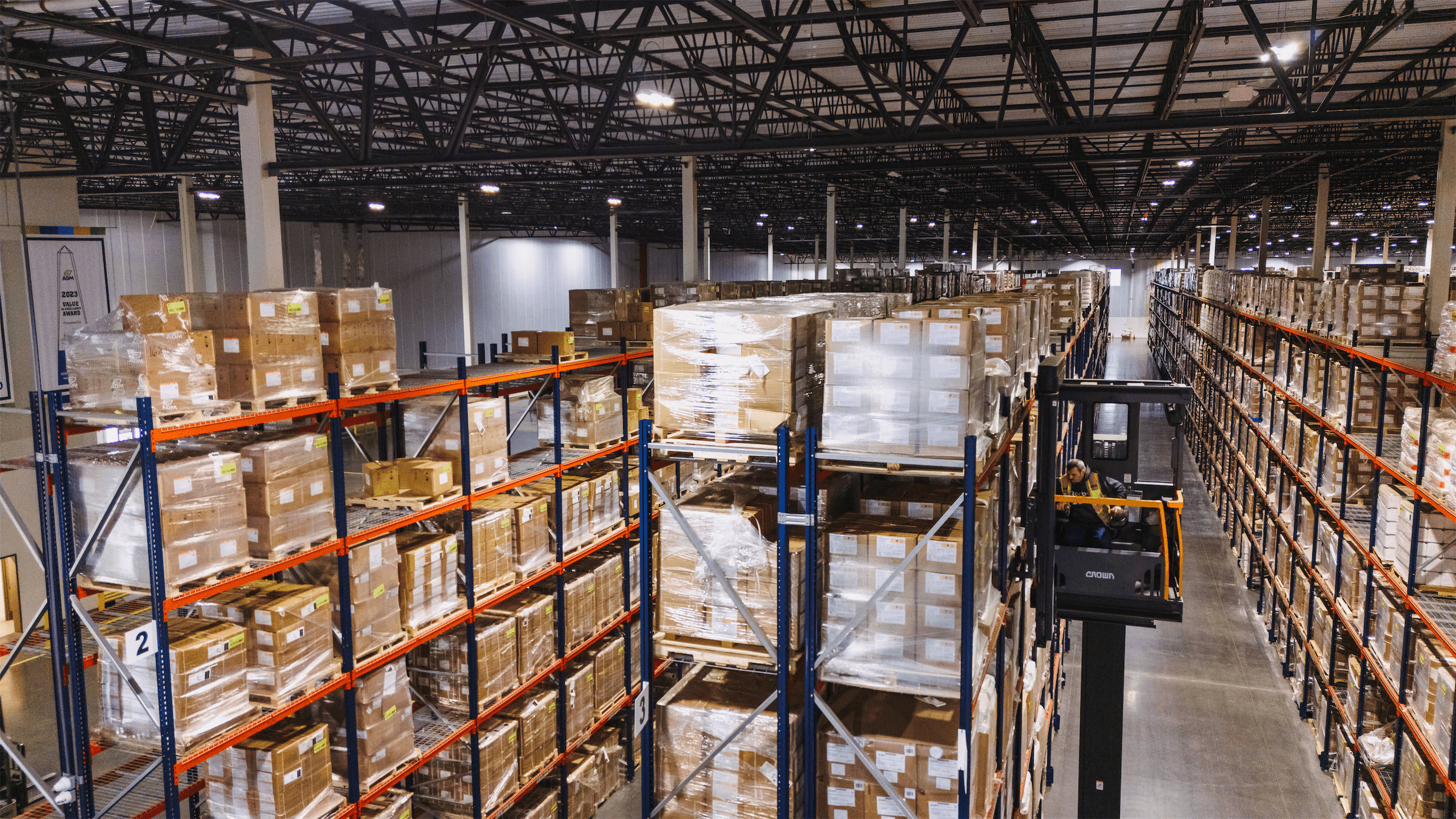
A rail-served warehouse is a distribution facility with its own rail siding - a spur track that branches off a mainline and runs directly to the building, so railcars can be spotted at the dock. Instead of freight arriving exclusively by truck, full railcars are delivered by the serving railroad, unloaded at the warehouse, and the product is stored, picked, and shipped out by truck for the final leg.
The serving railroad matters. A facility served by a Class I carrier like Norfolk Southern is plugged into a national network reaching ports, plants, and bulk origins across North America. That's very different from a warehouse that can only receive truck freight trucked in from a distant rail ramp - by the time product reaches that kind of building, the rail savings are already gone.
Commonwealth's Florence, KY facility is a live example: directly served by Norfolk Southern - no short-line handoff - with six boxcar positions, so multiple cars can be worked at once.
The practical test is simple: can a loaded railcar be placed at your warehouse and unloaded into the same building that ships your trucks? If yes, the facility is rail-served, and every commodity heavy or bulky enough to favor rail becomes a candidate for real savings.
Transloading is the act of transferring freight from one mode of transportation to another - most commonly rail to truck, and sometimes truck to rail for outbound shipments.
Inbound, it looks like this: a railcar arrives loaded with product - paper rolls, lumber, resin pellets, automotive components, packaged goods. The 3PL unloads the car at the siding, moves the product into the warehouse, and either stores it or stages it for immediate truck delivery to its final destination. The long-haul miles that would otherwise have moved by truck instead moved by rail, at a fraction of the cost and fuel.
Outbound, transloading runs in reverse. Product is consolidated and loaded into railcars at the warehouse for long-haul shipment - useful for shippers moving high volumes to distant markets who want to pull truckload spend out of their distribution network.
The reason transloading lives inside a warehouse rather than at a bare rail ramp is handling. A 3PL with a rail siding can unload a car, inspect and inventory the product, store it, and release it on the receiver's schedule - instead of forcing a "live unload" against railroad demurrage clocks. That buffer is often the difference between rail penciling out and rail becoming an operational headache.
Rail favors freight that is heavy, dense, bulky, or moving long distances - anything where the cost per pound to truck it across the country is painfully high. Four verticals come up again and again:
Three forces drive the cost advantage.
Cost per pound on the line haul. This is the headline. Because 3 to 4 truckloads of freight can be transported in a single railcar, the long-haul cost to move a pound of product by rail is dramatically lower than by truck. Rail line-haul and truckload rates both fluctuate widely, so the exact percentage varies by lane and market - but the consolidation advantage is structural. The savings are largest on long distances and heaviest commodities, and they shrink as hauls get shorter and freight gets lighter.
Fuel exposure. Rail is several times more fuel-efficient per ton-mile than trucking. When diesel prices spike, shippers leaning on rail for the long haul feel far less of it. Rail-served warehousing is, in part, a hedge against fuel volatility.
Capacity and reliability. Truckload capacity tightens and loosens with the market, and rates move with it. Rail offers a high-capacity, more predictable channel for the long-haul leg, which makes inbound planning steadier - particularly valuable for shippers onboarding large new volumes.
Netted out: rail-served warehousing replaces the most expensive and most volatile miles in your inbound network with the cheapest and most stable ones, while a truck fleet still handles the regional delivery rail can't.
Few people see the economics of rail transloading more directly than Brent Collins, President & CEO of Commonwealth Inc.:
"The Greater Cincinnati area is an excellent centralized hub for rail transloading. 70% of the US population is within a 500 mile radius of Cincinnati, making it an ideal geographic location for distribution. Shipping freight by rail is cost-effective because it allows clients to ship multiple truckloads at once. Commonwealth has the specialty equipment required to unload railcars, including roll clamps, box clamps, and slip-sheets, allowing us to handle a variety of freight."
Not every "rail-served" claim is equal. When you're comparing providers, ask:
What is a rail-served warehouse?
A rail-served warehouse is a distribution facility with its own rail siding, allowing railcars to be delivered directly to the building. Product arrives by rail, is unloaded and stored on site, and ships out by truck - so shippers capture rail's low long-haul cost without giving up flexible regional delivery.
What is transloading?
Transloading is transferring freight from one mode of transportation to another, most commonly from rail to truck. At a rail-served warehouse, product arrives in a railcar, is unloaded into the facility, and is then distributed by truck to its final destination.
How much can rail-served warehousing save on freight?
Savings vary because both rail line-haul and truckload rates fluctuate widely, so no single percentage holds across every lane. The structural advantage is consolidation: 3 to 4 truckloads of freight can be transported in one railcar, which lowers the line-haul cost of inbound freight for heavy or bulky commodities on long lanes.
What types of products are best suited to rail transloading?
Heavy, dense, bulky, or long-haul freight benefits most: paper and packaging, lumber and building products, automotive and industrial supply, and bulk commodities such as resins, grains, and minerals.
How do I know if a 3PL is genuinely rail-served?
Confirm the facility has its own rail siding served directly by a Class I railroad (such as Norfolk Southern), ask how many railcars it can spot, and verify it can unload cars into warehouse storage rather than forcing time-pressured live unloads.
Commonwealth's Florence, KY facility is served directly by Norfolk Southern with six boxcar positions - a rail capability only a few Cincinnati-area 3PLs can offer. If you move heavy, bulky, or long-haul freight into the Ohio Valley, our team can model what rail-served warehousing and transloading would do for your inbound freight costs.
Arrange a visit
Tour our Greater Cincinnati and Northern Kentucky facilities. Meet the team. See the operation.
At Commonwealth, we're committed to providing tailored logistics solutions that meet your unique business needs. Whether you have a question about our services, want to request a quote, or are ready to get started, our team is here to help.
A first conversation is with the people who run the operation — not a rotating sales bench.

Brent Collins
President, CEO

Karen Hamm
Executive Vice President

Andy Deardorff
Operations Vice President

Kalen Deardorff
Customer Service Manager