August 18, 2026
Personal property tax on inventory can move a DC across the river even when the freight lanes look the same. How Ohio and Kentucky treat warehouse stock — and what a 3PL can and cannot do about it.
Freight cost gets the meeting. Inventory tax shows up on a spreadsheet someone forwards in May. In Greater Cincinnati you can put the same program in Ohio or Kentucky and change the tax line without changing the customer ZIP codes much. That is unusual. Use it on purpose.
This is not tax advice. It is an operator's map of what to ask your CPA and your 3PL before you sign a contract warehousing block on the wrong side of the river.
Ohio still levies tangible personal property tax in ways that can reach inventory, with local rates and exemptions that depend on classification, jurisdiction, and how the goods are used. Kentucky's posture on warehouse inventory is different — often more favorable for goods held for sale or in transit, subject to current statute and local rules.
The details move. What does not move is the workflow: you pick a building, title stays with you (typical 3PL), and a taxing authority may ask what was in that building on a lien date. If your 3PL cannot tell you where each program lived on that date, you will reconstruct it from invoices.
A warehouse operator can:
A 3PL cannot:
If someone sells you "Kentucky storage" while the pallets sit in Hamilton County, that is not a strategy. That is a problem.
Run three columns:
Sometimes Kentucky wins on tax and loses on a river crossing every day. Sometimes Ohio wins because the customers are north of the city and the inventory tax difference does not cover the miles. Warehouse location strategy still starts with service. Tax is a tie-breaker with real money, not the only slide.
Customs bonded storage is a federal duty tool, not a state inventory-tax eraser. Do not stack those ideas without counsel. In-transit exemptions, if they apply, have clocks and documentation. Your 3PL's job is to keep the receipt, the location, and the ship confirmation clean enough that the exemption is provable.
Pick the side of the river for a reason you can still explain at audit. Greater Cincinnati is one of the few U.S. metros where that sentence is an operating decision, not a thought experiment.
Arrange a visit
Tour our Greater Cincinnati and Northern Kentucky facilities. Meet the team. See the operation.
At Commonwealth, we're committed to providing tailored logistics solutions that meet your unique business needs. Whether you have a question about our services, want to request a quote, or are ready to get started, our team is here to help.
A first conversation is with the people who run the operation — not a rotating sales bench.
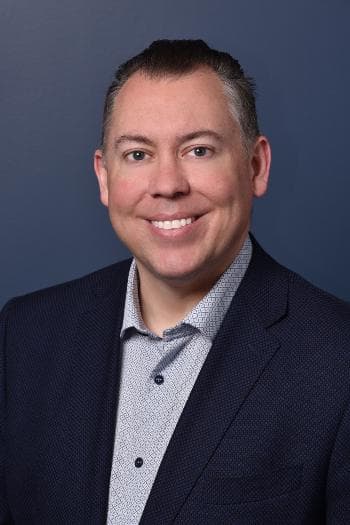
Brent Collins
President, CEO
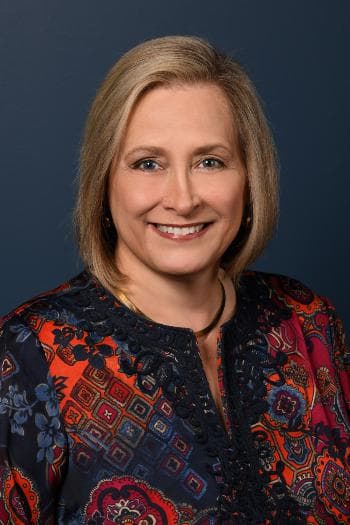
Karen Hamm
Executive Vice President
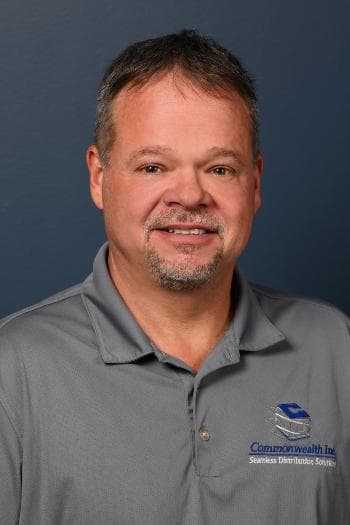
Andy Deardorff
Operations Vice President
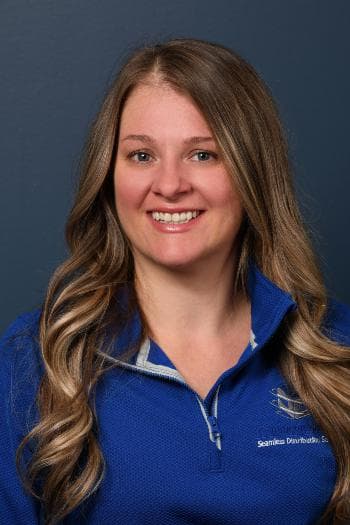
Kalen Deardorff
Customer Service Manager