
July 28, 2026
Moving a warehouse program is not a go-live date. It is a sequenced handoff of inventory, EDI, labor, and carrier appointments. A field playbook for leaving a 3PL without losing a peak week.
Most 3PL switches fail in the middle, not at the contract signing. The new building is ready. The old building is still shipping. Inventory is in both places, EDI is pointed at one, and a retailer chargeback lands on a PO that neither warehouse thought it owned.
If you have already decided the current site is the constraint — see five signs you have outgrown a warehouse — the next job is a transition, not a slogan about partnership.
A clean cutover is rare. More often you move one of three shapes:
Write the shape down. Every later argument about "who ships week three" is easier if the shape is not implied.
Run the move in layers, not as one Friday night.
Data first. Item masters, lot rules, catch weights, retailer routing guides, and ASN maps need to live in the new WMS before the first pallet arrives. If your team is still emailing spreadsheets of "exceptions," you are not ready to receive.
Empty-state process second. Receive a controlled SKU set. Cycle count it. Ship a small PO to a friendly DC. Confirm the EDI round trip. Then open the floodgates.
Inventory third. Move by velocity and risk, not by aisle number. Fast movers last if the old building can still ship them. Hazmat, food, and serialized product first if the old building is losing compliance coverage — see FSMA in third-party warehousing and hazmat storage.
Carriers last. Appointments, pool programs, and rail spots do not transfer because legal said so. Re-qualify truckload and LTL and rail from the new door.
During dual operations, freeze SKU setup changes, new retailer programs, and packaging redesigns unless they are the reason you are moving. Every master-data change has to be entered twice and will be entered wrong once.
Count more than you think. Opening counts at the new building and closing counts at the old building should reconcile to a single book. If they do not, stop receiving and find the unit of measure problem before you bury it under volume.
The new 3PL's supervisors need your real order mix, not a sanitized slide. Send them a week of actual waves: case pick vs. pallet, same-day adds, hot AOG or automotive releases. JIT automotive programs and CPG omnichannel fail in transition when the new floor is staffed for a textbook wholesale DC.
Plan a 30-day hypercare window with named owners on both sides. After that, the old building should be empty or contractually done — not "still shipping a few things."
If you are moving into Greater Cincinnati or Northern Kentucky, time the physical freight against the river and I-75, not against a Gantt bar. Florence and Hebron are not interchangeable with Cincinnati for inbound mode. The warehouse onboarding checklist covers what to collect before the first truck. This playbook is what to do when you already have a 3PL you are leaving.
Switching providers is a warehouse project with a legal wrapper. Treat it that way and you keep the peak week. Treat it as a vendor swap and you will explain a chargeback to someone who was not in the building.
Arrange a visit
Tour our Greater Cincinnati and Northern Kentucky facilities. Meet the team. See the operation.
At Commonwealth, we're committed to providing tailored logistics solutions that meet your unique business needs. Whether you have a question about our services, want to request a quote, or are ready to get started, our team is here to help.
A first conversation is with the people who run the operation — not a rotating sales bench.

Brent Collins
President, CEO

Karen Hamm
Executive Vice President
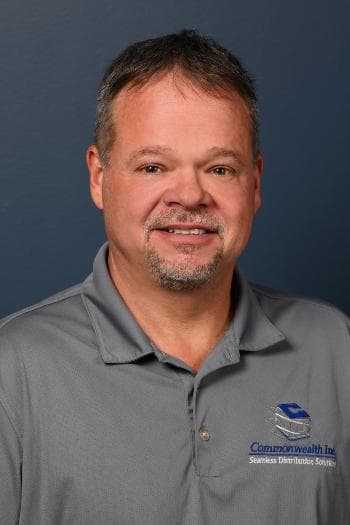
Andy Deardorff
Operations Vice President
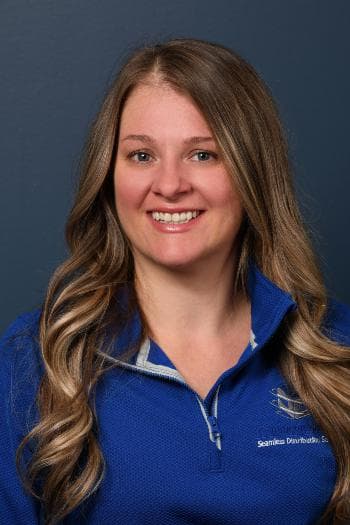
Kalen Deardorff
Customer Service Manager